
Comfort Without Running New Ductwork
Ductless Mini-Split Systems in LaBelle for room additions, garages, guest spaces, and homes without existing ducts
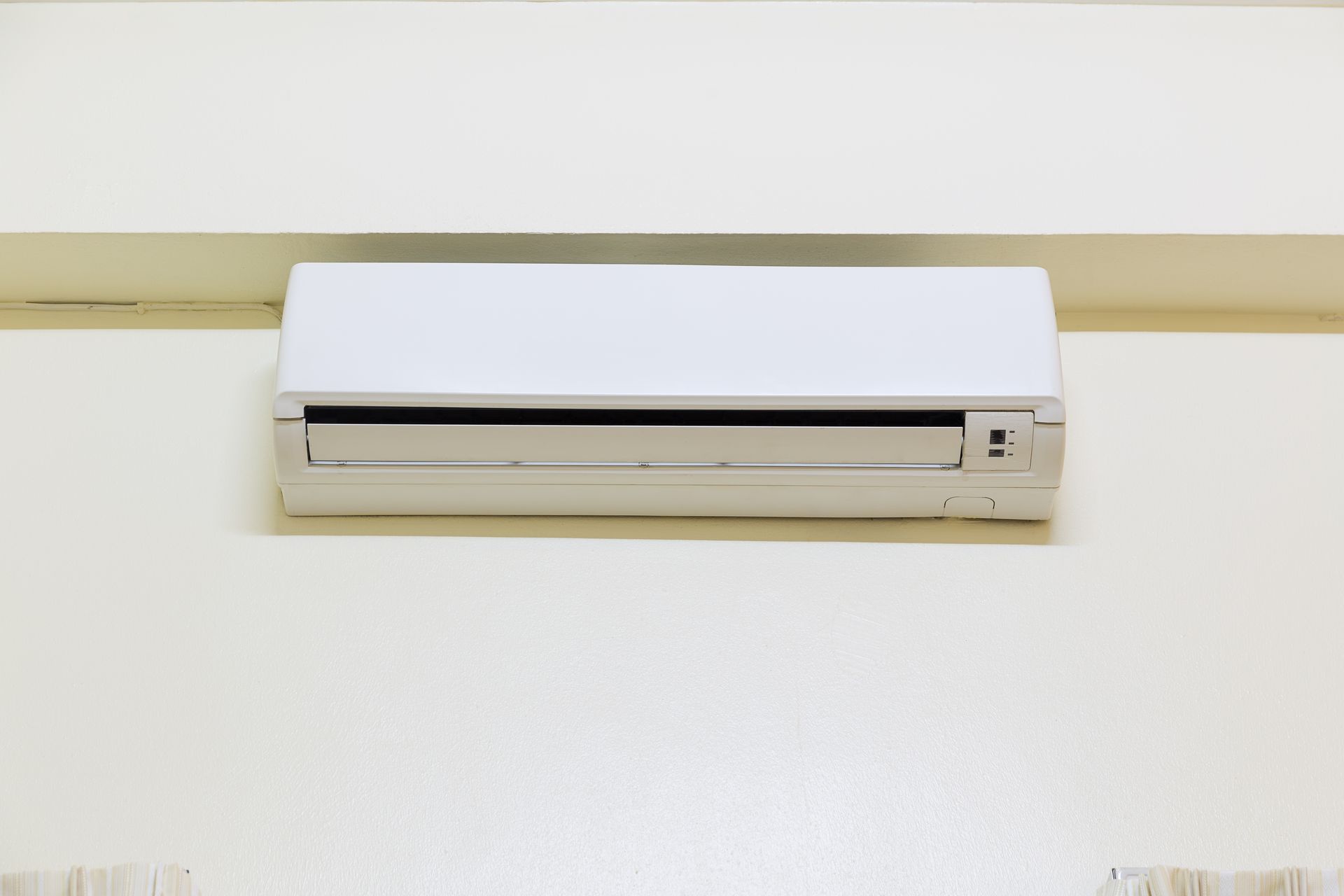
Ductless mini-split systems cool individual rooms through wall-mounted air handlers connected to an outdoor compressor unit by refrigerant lines running through a three-inch penetration. Homeowners in LaBelle choose mini-splits when adding square footage to homes where extending existing ductwork costs more than installing independent climate control, converting garages into workshops that need cooling without conditioning the entire property, or addressing guest spaces used seasonally where full-time duct extensions waste energy. Dream Cooling LLC installs mini-split systems that provide zoning benefits, allowing temperature control in specific rooms without affecting the rest of the house. Each indoor unit operates independently, so workshops stay cooler during daytime projects while bedrooms remain at different temperatures overnight.
Installation mounts the indoor air handler on an interior wall with clearance for airflow distribution, then runs refrigerant lines and control wiring through exterior walls to the outdoor compressor unit positioned with adequate ventilation clearance. Systems accommodate multiple indoor units on a single outdoor compressor, providing independent climate zones throughout a home.
Request a mini-split installation assessment to review placement options for your difficult-to-cool spaces.
What Proper Zoning Accomplishes
Traditional ducted systems force homeowners to cool entire properties even when only a few rooms need conditioning, wasting energy on unoccupied bedrooms, formal dining areas used weekly, or storage spaces that don't require climate control. Mini-splits eliminate this waste by directing cooling only where needed, reducing runtime and lowering utility costs compared to conditioning unused square footage. Florida homeowners with older homes often face prohibitively expensive duct retrofits through interior walls that weren't designed for modern HVAC distribution, making ductless systems the practical choice for comprehensive climate control.
After installation finishes, you notice rooms reaching desired temperatures within minutes rather than waiting for ducted systems to push conditioned air through long runs, silent operation that doesn't compete with television audio or conversation, and utility bills reflecting only the spaces you actually cool instead of paying to condition the entire house. Each room maintains independent comfort levels, so family members adjust their spaces without affecting others.
Compact installation requirements appeal to homeowners seeking cooling solutions without sacrificing interior square footage to bulky ductwork chases. Flexible placement options accommodate wall-mounted, ceiling-recessed, or floor-standing indoor units depending on room layout and aesthetic preferences. Energy-efficiency advantages stem from eliminating duct losses that consume twenty to thirty percent of cooling output in poorly sealed duct systems common in older homes.
Answers to Frequent Service Questions
Mini-split installations generate questions about application suitability, operating costs, and maintenance requirements compared to traditional ducted systems.
What applications work best for ductless systems?
Room additions built after the original HVAC installation, converted garages or workshops needing independent temperature control, guest houses lacking climate control infrastructure, and older homes where adding ductwork requires extensive interior renovation all benefit from ductless installations.
How does energy efficiency compare to window units?
Mini-splits use inverter-driven compressors that adjust output to match cooling demand rather than cycling on and off like window units. This variable operation reduces energy waste and maintains steadier temperatures without the cycling surges that spike electric demand.
When does multi-zone installation make sense?
Homes needing climate control in three or more separate areas benefit from multi-zone systems that connect multiple indoor units to one outdoor compressor. This approach costs less than installing individual systems for each space while maintaining independent temperature control.
Why do mini-splits operate more quietly than traditional systems?
Indoor air handlers mount directly to walls without ductwork to transmit noise, and inverter compressors run at variable speeds that produce less vibration than single-speed motors cycling on and off. LaBelle installations in bedrooms and offices prioritize quiet models rated below thirty decibels at low-speed operation.
What maintenance does ductless equipment require?
Monthly filter cleaning prevents dust buildup that restricts airflow, while annual professional service includes cleaning the evaporator coil, checking refrigerant charge, testing drain operation, and inspecting outdoor unit components. Mini-splits produce condensate that drains outdoors or into existing plumbing, requiring pitch verification to prevent water backup.
Dream Cooling LLC handles ductless mini-split installations for homeowners seeking targeted comfort solutions that avoid ductwork expenses and zoning limitations of traditional systems. Schedule a placement evaluation to determine indoor unit locations and outdoor compressor positioning that meets your specific cooling needs.